USEFUL INFORMATION. PLAIN LANGUAGE.

A clearer guide to home comfort.

Get ready for service with simple questions. Learn what to ask about seasonal care or a new system. This guide does not replace a home visit. Follow the instructions for your own equipment.

Share the problem. Review the options. Choose the next step.
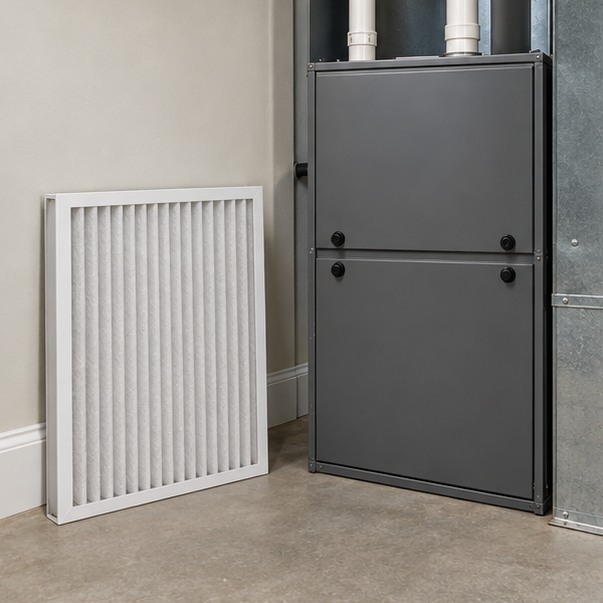
Pleated air filter beside an HVAC cabinet

Before a service visit.

Write down what changed. Note when it started and which rooms feel different. Copy any error message you can see. Keep a model-label photo handy if you can take it safely. Do not remove covers, move wires, or touch hot pipes to gather details.

Choose a topic that fits the concern: heating, AC, boilers, or ductless systems.

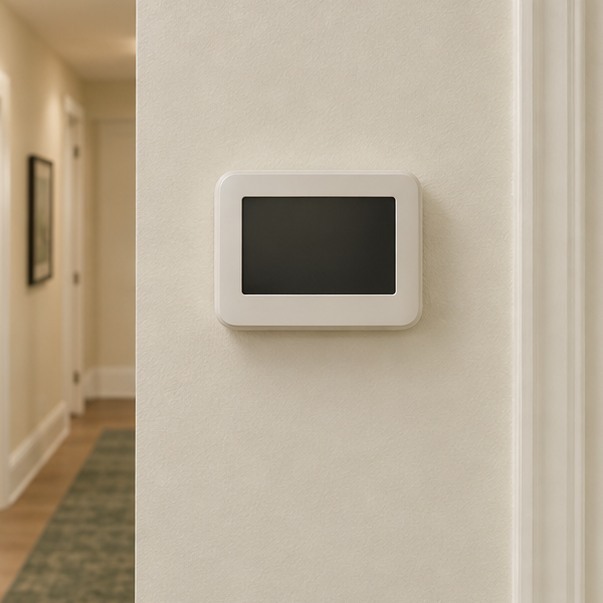
Wall thermostat in an ivory hallway

Seasonal care that fits your system.

The ENERGY STAR maintenance checklist helps you ask about seasonal checks. Each system has its own needs. The work should fit its age, condition, and instructions.

Read our maintenance page before a visit. Ask what is included. Find out if repairs cost extra. Use the right filter size and type. Ask before you switch to a new kind.

Helpful independent reading: ENERGY STAR maintenance checklist. A useful starting point for questions about seasonal equipment care. These resources are not endorsements or business partners.

When you compare new systems.

Ask why the new system fits your home. Check how heat and cool air will reach each room. Discuss power, drains, vents, and controls. Ask how the system will be tested. Compare quotes for the same work, not just the same unit.

Helpful independent reading: ENERGY STAR heating and cooling guidance. Independent guidance on equipment, controls, airflow, and energy use. These resources are not endorsements or business partners.

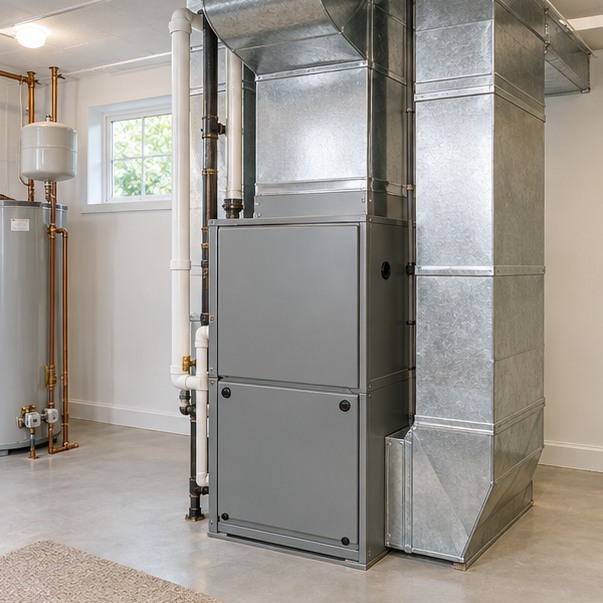
Modern furnace and ductwork in a utility room

Indoor air: start with the cause.

EPA explains ways to reduce sources of indoor pollution. It also covers fresh air and filters in its indoor air quality guide. A new filter does not fix a water leak. Damp areas may still need repair or cleanup.

Helpful independent reading: EPA indoor air quality guidance. Learn how sources, ventilation, and filtration fit into an indoor-air plan. These resources are not endorsements or business partners.

Local projects and permits.

Planning a new system or a remodel? Ask the Ramsey Building and Construction Department about your project first. Confirm which permits and checks it needs. Ask who will file the forms. This website cannot decide the rules for your property.

Safety comes first.

Smell gas, hear a carbon monoxide alarm, or see smoke? Leave the building. Call emergency services from a safe place. Do the same if you think there is immediate danger. Do not wait for a reply to a website form.

Read EPA’s carbon monoxide safety guide to learn about this risk. Never use an oven to heat a home. Do not bring outdoor fuel-burning equipment inside.