RAMSEY, NEW JERSEY · Available 24/7 for emergencies · Normal hours: 8:00am–8:00pm

YOUR HOME. YOUR COMFORT. YOUR NEXT STEP.

Heating & cooling services in Ramsey, NJ

Comfort that feels right. In every season. Get a clear next step for no heat, weak cooling, uneven rooms, or a planned system change.

Share the problem. Review the options. Choose the next step.

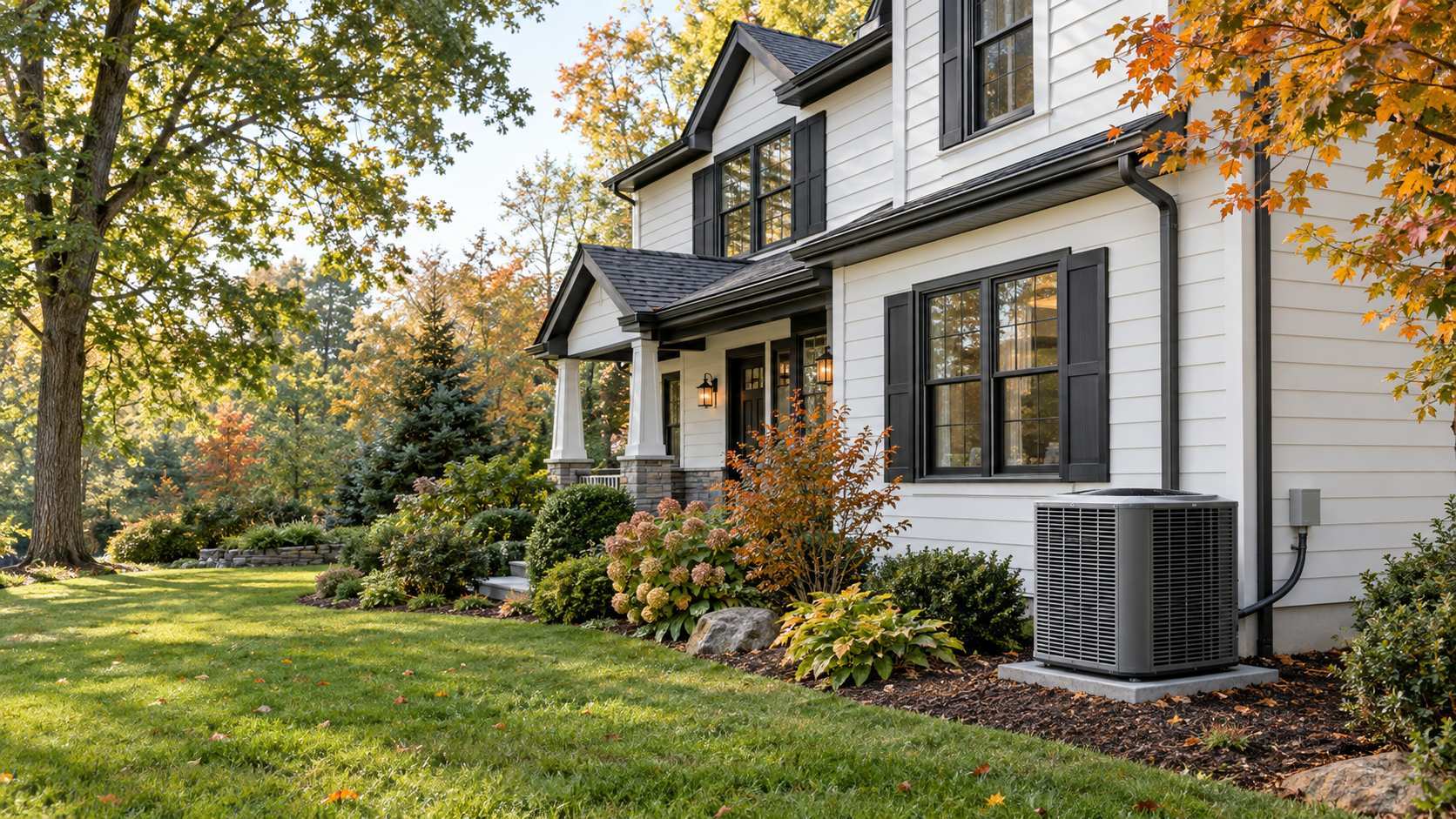
House exterior with an outdoor air conditioning unit

What is happening at your place?

Start with the problem you notice. We will help you find the right service topic.

A CLEAR PATH TO THE RIGHT SERVICE

From a single room to the whole system.

Explore heating, cooling, boilers, ductless equipment, controls, and related comfort services for Ramsey homes and businesses. Each guide explains common concerns, planning choices, and what to share when requesting help.

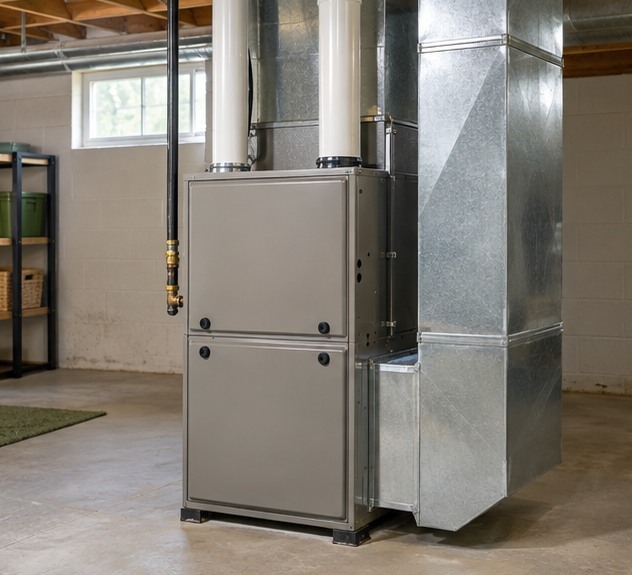
Closed furnace with supply and return ductwork

Furnaces & heating

The furnace starts, then stops before rooms warm up.

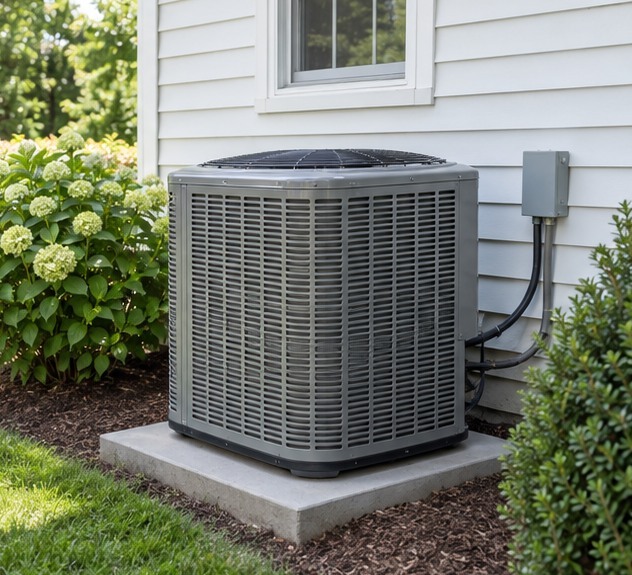
Outdoor central air conditioner beside a house

Central air conditioning

The AC runs but the house does not cool.

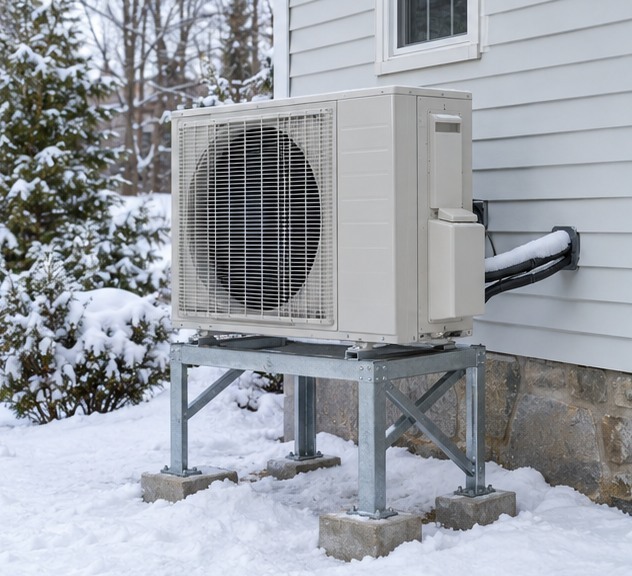
Outdoor heat pump raised above snow

Heat pumps

Heating or cooling feels weaker than before.

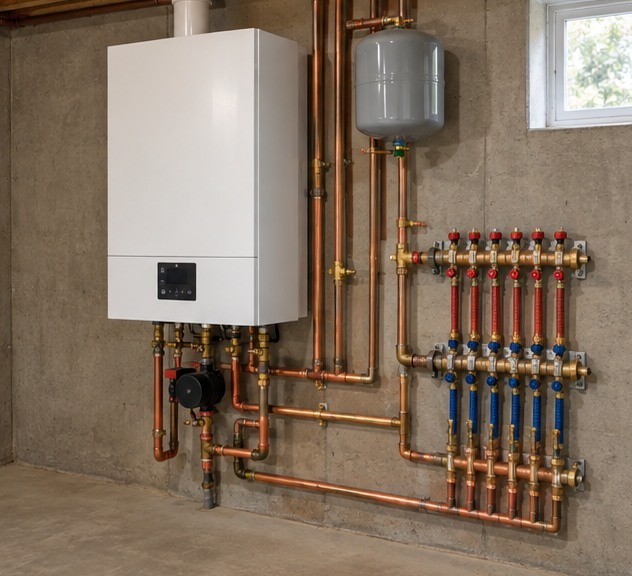
Wall-hung boiler with hot-water heating pipes

Boilers & hot-water heat

One heating zone stays cold.

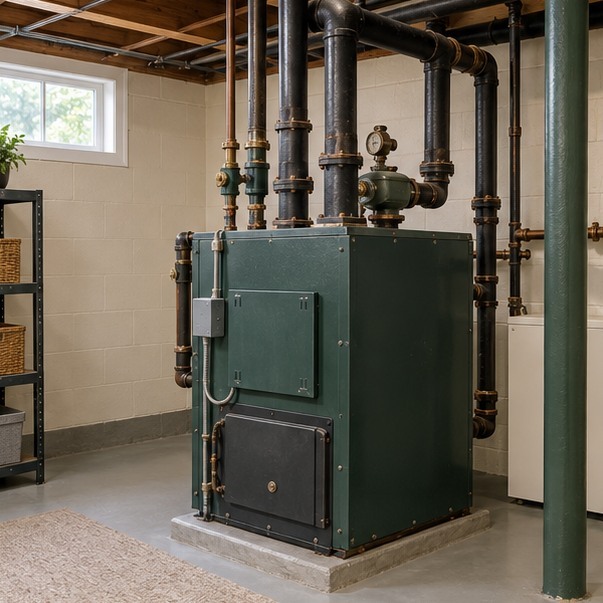
Steam boiler and iron piping in a basement

Steam boilers & radiators

Radiators warm slowly or unevenly.

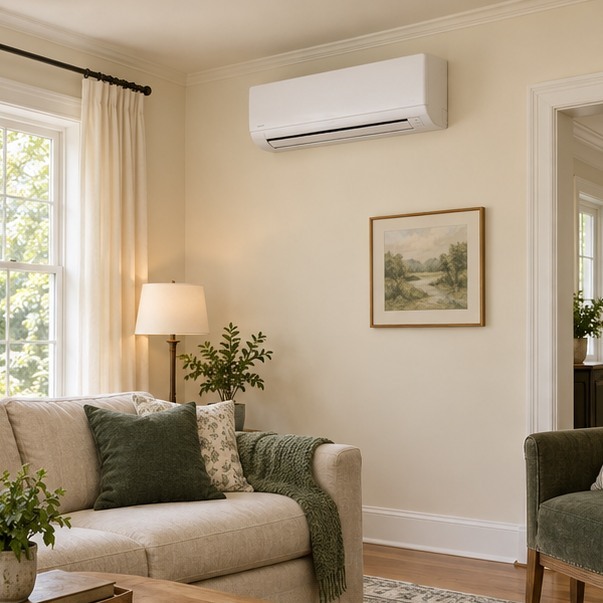
Wall-mounted ductless unit in a living room

Ductless mini-splits

A room has no existing ductwork.

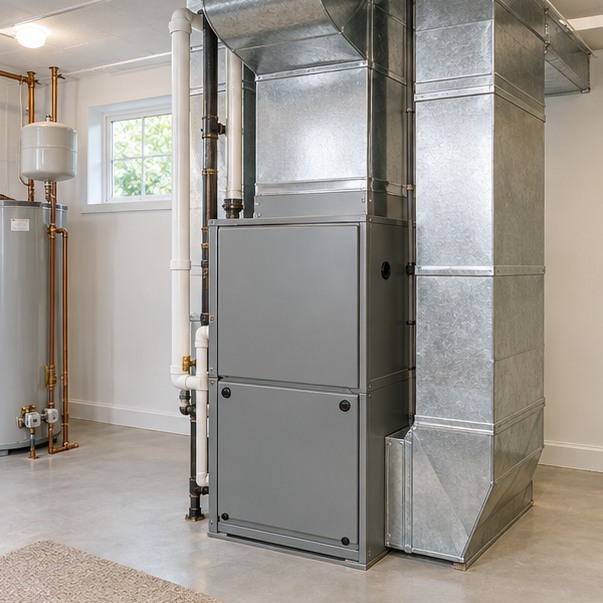
Modern furnace and ductwork in a utility room

Replacement & conversions

Repairs are becoming frequent.

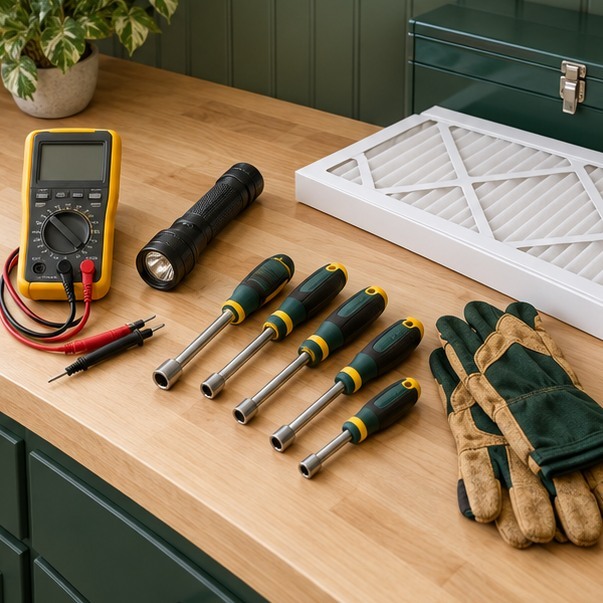
HVAC tools, gloves and a filter on a workbench

Maintenance & tune-ups

Your system is due for seasonal care.

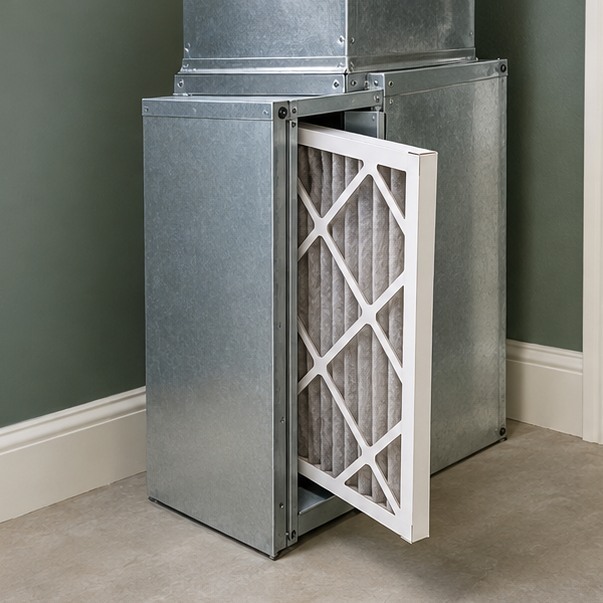
Pleated filter and residential HVAC filter cabinet

Indoor air quality

Dust returns quickly after cleaning.

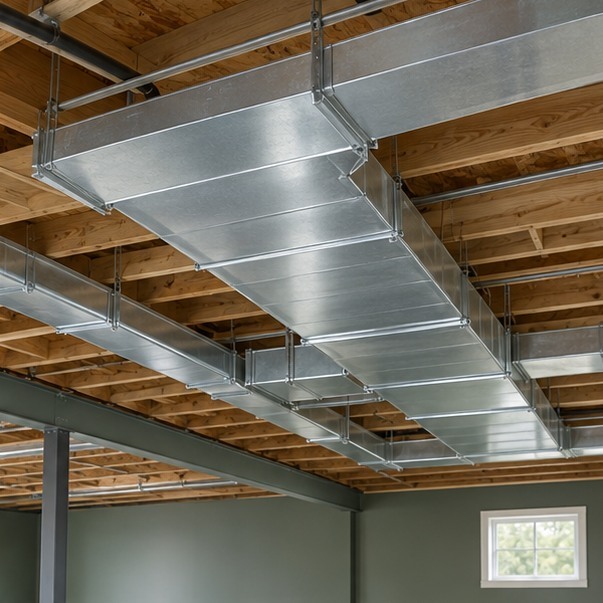
Rectangular metal ductwork in a basement ceiling

Ductwork, airflow & zoning

Bedrooms feel different from the main living area.

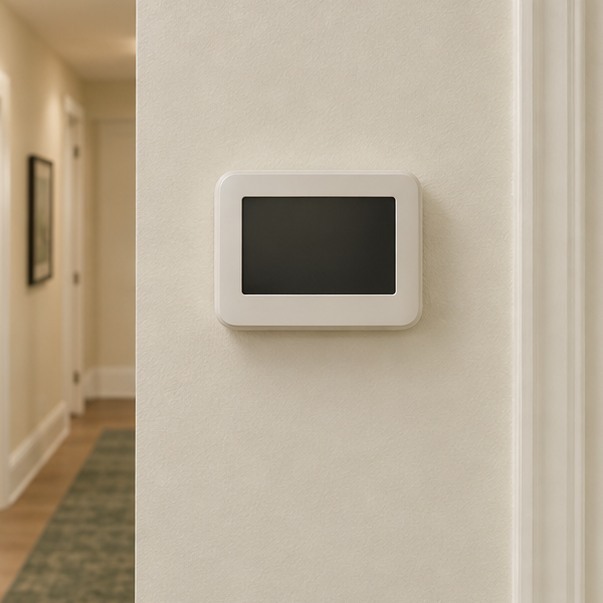
Wall thermostat in an ivory hallway

Thermostats & controls

The system does not follow the set temperature.

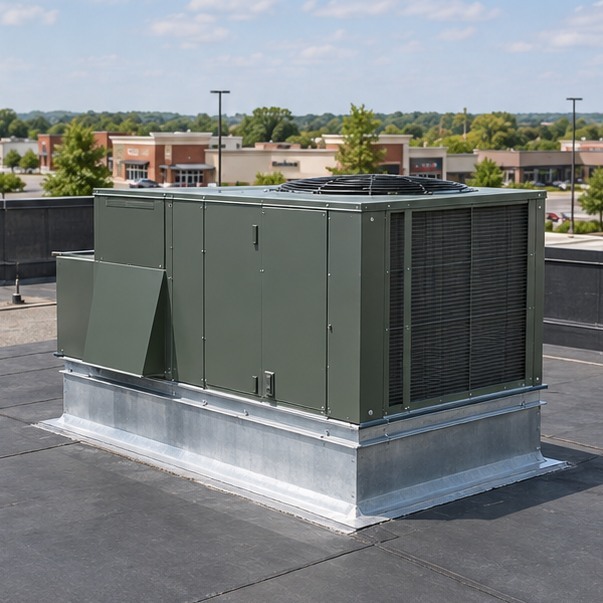
Packaged HVAC equipment on a commercial roof

Commercial HVAC

An office, shop, or work area has uneven temperatures.

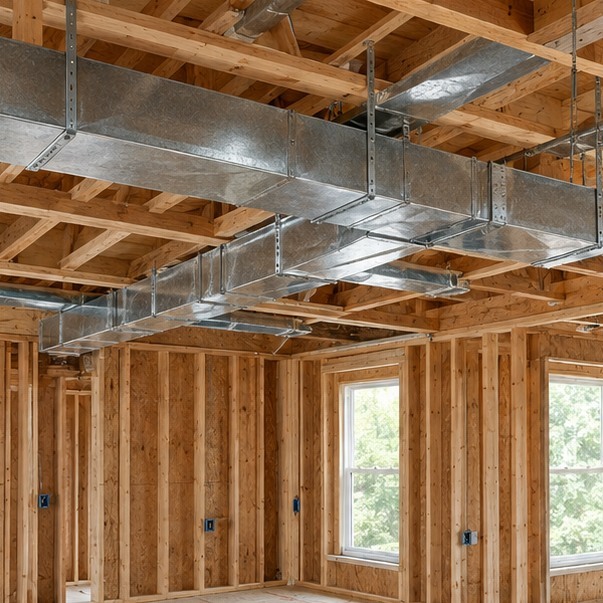
Ductwork in a framed home addition

Construction & renovations

You are adding rooms or finishing space.

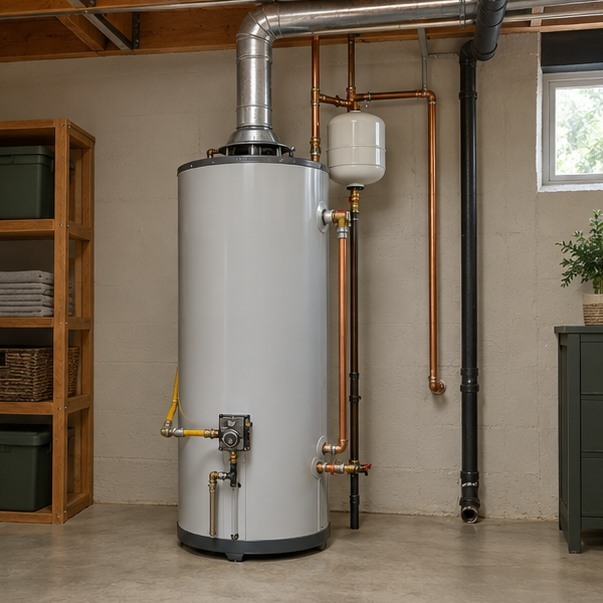
Tank water heater in a utility room

Water heaters

Hot water runs out sooner than usual.

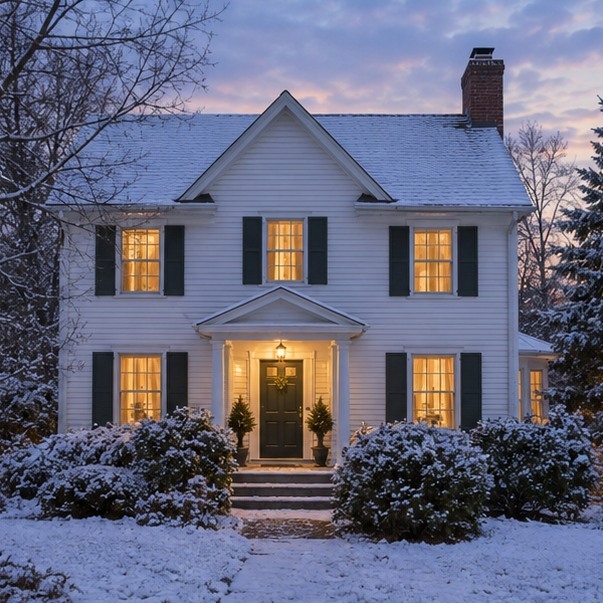
Snowy house with warmly lit windows at twilight

Urgent heating & cooling help

Heating has stopped during cold weather.

COMFORT IS MORE THAN THE EQUIPMENT

The whole home belongs in the conversation.

An uncomfortable room can have more than one cause. Equipment, ducts, controls, heat distribution, and room changes may all matter. Start with the concern, then compare work that addresses it.

Planning an addition? Explore HVAC for renovations. Have a room without ducts? Review ductless options. Want to understand hot and cold rooms? Start with airflow and zoning.

Bright living room with soft green accents

KNOW WHAT COMES NEXT

A simple service-request process.

01

Tell us what changed.

Share the problem, property location, and affected rooms. You do not need to know the diagnosis.

02

Review the next step.

Discuss equipment, service scope, and appointment availability. A request does not book a visit.

03

Choose with clear information.

Review the findings, options, and pricing before deciding on work. Ask what is included.

REPAIR OR REPLACE?

Compare the options before you decide.

A new sound or a worn part does not answer the repair-versus-replacement question by itself. Consider the cause, equipment condition, repair history, and the comfort you need.

Our replacement guide helps you ask about sizing, controls, distribution, and the complete project. Our homeowner guide offers practical questions to bring to a service conversation.

Helpful independent reading: ENERGY STAR heating and cooling guidance. Independent guidance on equipment, controls, airflow, and energy use. These resources are not endorsements or business partners.

Modern furnace and ductwork in a utility room

LET’S TALK ABOUT YOUR COMFORT

Tell us what is happening.

Describe the problem, your location, and the best way to reach you. A clear description is more useful than a guessed diagnosis.

Service scope, pricing, and appointment availability are confirmed directly. This form is not for immediate danger and does not book a visit.

(201) 614-1591
Info@ramsey-HVAC.com
Normal hours: 8:00am–8:00pm
Available 24/7 for emergencies

For urgent HVAC help, call rather than waiting for a form reply. A gas leak, smoke, or a carbon monoxide alarm needs emergency services from a safe place.

  •  

Useful answers. Not more jargon.

Do I need to know what is broken?

No. Tell us what changed, which rooms are affected, and the equipment type if you know it. A diagnosis comes from checking the system, not from the request form.

Does an inquiry book an appointment?

No. Scheduling and service availability are confirmed directly. For immediate danger, use emergency services rather than an online inquiry.

The whole home belongs in a comfort conversation. An HVAC contractor needs a picture of the rooms, equipment and controls, not just a model number. Describe that picture when asking about heating and cooling repairs, including any recent changes to the space.

Heating questions should start with the system you have. For heating system repair, ask how the equipment and distribution are assessed. Requests for furnace repair and boiler service should also cover the operating concern that needs attention.

Cooling plans should reflect the rooms that need help. Ask whether air conditioning repair is appropriate for the existing setup, and compare AC installation with ductless mini-split installation when a separate zone or a new installation is under consideration.

Before approving heating and cooling system replacement, review the proposed work and the components that will stay. A conversation about preventive HVAC maintenance can then clarify how to care for the system once the project is finished.

Ramsey Heating and Cooling: Local Conditions and Smart Decisions

Ramsey HVAC serves Ramsey (Bergen County) and nearby Mahwah, Allendale, Upper Saddle River and Saddle River, NJ.

Ramsey sits in the northwest corner of Bergen County, and its housing spans more than a century. Roughly 53% of the borough's homes were built before 1960 and about 13% before 1940, while the median year built is 1968, per the Census Bureau's American Community Survey for 2019–2023. That mix means a technician might work on a hot-water boiler in a pre-war house in the morning and a 1990s two-zone forced-air system in the afternoon.

Natural gas from the street heats about 87% of occupied homes. Around 11% heat electrically and about 1% use oil. PSE&G is the gas company in Ramsey, but the borough's electricity is supplied by another utility, which matters if you are pricing a heat pump.

Climate considerations

The closest NOAA weather station with a complete 1991–2020 normals record is Wanaque–Raymond Dam. It averages about 5,600 heating degree days annually, with January near 29°F and summer highs in the mid-80s. That is a colder profile than southern Bergen, so equipment sized for Hackensack conditions can fall short here on the coldest nights.

Heat pumps in a colder town

Cold-climate heat pumps can now provide most or all of a home's heat in this region, but sizing, backup heat and the home's insulation all matter. Many Ramsey owners use a hybrid approach: a heat pump for most of the year with an existing gas furnace as backup during deep cold.

Permits

New Jersey's Uniform Construction Code labels the replacement of an existing boiler, furnace, air conditioner or condensing unit with a comparable-capacity appliance as minor work. The Ramsey construction code office must be told before work begins; the formal application and fee follow within five business days, and inspection is required before the job is considered complete.

Rebates

Gas customers of PSE&G who own their home may receive instant rebates on qualifying high-efficiency gas furnaces and boilers through participating contractors. For electric equipment such as heat pumps, check the current programs of the utility shown on your electric bill.

What drives the cost of a replacement

Expect price to depend on equipment type and efficiency, cold-climate ratings, backup heat strategy, duct changes, electrical upgrades and venting. Repair when a sound system has a single fault; replace when repairs pile up or comfort can no longer be achieved.